Buy schnelltest.eu ?
We are moving the project
schnelltest.eu .
Are you interested in purchasing the domain
schnelltest.eu ?
domain@kv-gmbh.de · 0541-91531010
Buy schnelltest.eu ?
How can I return the Otto washing machine after testing it once?
To return the Otto washing machine after testing it once, you should first check the return policy of the store or website where you purchased it. Most retailers have a specific return process that may involve contacting customer service, filling out a return form, and arranging for the item to be picked up or dropped off. Make sure to keep all the original packaging and documentation, as these may be required for the return. If you purchased the washing machine online, you may also need to print out a return label and ship it back to the retailer. **
What is the difference between load sensing and load detection in a washing machine?
Load sensing in a washing machine refers to the machine's ability to determine the size of the laundry load and adjust water levels and wash cycles accordingly. This feature helps in saving water and energy by avoiding unnecessary use of resources. On the other hand, load detection in a washing machine simply detects if there is any load present in the machine before starting the wash cycle, ensuring that the machine does not operate when empty. While load sensing optimizes the wash cycle based on the load size, load detection primarily prevents the machine from running without any laundry inside. **
Similar search terms for Washing
Top-Angebote
Products related to Washing:


-
What is the difference between load detection and automatic load adjustment in a washing machine?
Load detection in a washing machine involves the machine sensing the amount of laundry inside and adjusting the water and detergent accordingly. On the other hand, automatic load adjustment goes a step further by not only detecting the load size but also adjusting the cycle time, water level, and energy consumption to optimize the washing process for that specific load size. Essentially, load detection is about measuring the amount of laundry, while automatic load adjustment is about making necessary changes to the wash cycle based on that measurement. **
-
What is the difference between load size detection and load recognition in a washing machine?
Load size detection in a washing machine refers to the machine's ability to determine the amount of laundry in the drum, usually by measuring the weight or volume of the load. This information helps the machine adjust the water and detergent levels accordingly. On the other hand, load recognition goes a step further by identifying the type of fabric or material in the load, allowing the washing machine to select the appropriate wash cycle and settings for optimal cleaning. In essence, load size detection focuses on the quantity of laundry, while load recognition takes into account the specific characteristics of the load for more tailored washing. **
-
Why is the washing machine not washing?
The washing machine may not be washing due to a variety of reasons. It could be a problem with the power supply, a malfunctioning motor, a clogged water inlet valve, a faulty door latch, or a problem with the control board. Additionally, issues with the water level sensor, the drive belt, or the agitator could also be causing the washing machine to not wash properly. It is important to troubleshoot and identify the specific issue in order to effectively address the problem and get the washing machine working again. **
-
Why doesn't the washing machine stop washing?
The washing machine may not stop washing due to a malfunctioning timer or control board. If the timer or control board is faulty, it may not be sending the signal to stop the washing cycle. Additionally, a problem with the water inlet valve or pressure switch could also cause the washing machine to continue washing. It is important to troubleshoot and address these issues promptly to prevent further damage to the washing machine. **


Which washing cycle in the washing machine is best for washing curtains yourself?
For washing curtains yourself, the gentle or delicate cycle is usually the best option in a washing machine. This cycle uses less agitation and lower spin speeds, which helps prevent damage to the fabric of the curtains. It is important to also use a mild detergent and cold water to further protect the curtains during the washing process. Additionally, it is recommended to hang the curtains to air dry instead of using a dryer to avoid shrinking or damaging the fabric. **
Is pre-washing sufficient for a washing machine?
Pre-washing is not sufficient for a washing machine as it is important to follow the manufacturer's instructions for proper cleaning and maintenance. Pre-washing may help to remove some dirt and grime, but a washing machine needs regular cleaning to prevent mold, mildew, and odors from building up. It is recommended to run a cleaning cycle with a washing machine cleaner or a mixture of vinegar and baking soda to ensure it is thoroughly cleaned. **
Top-Angebote
Products related to Washing:
-
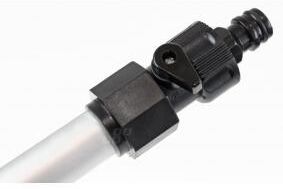
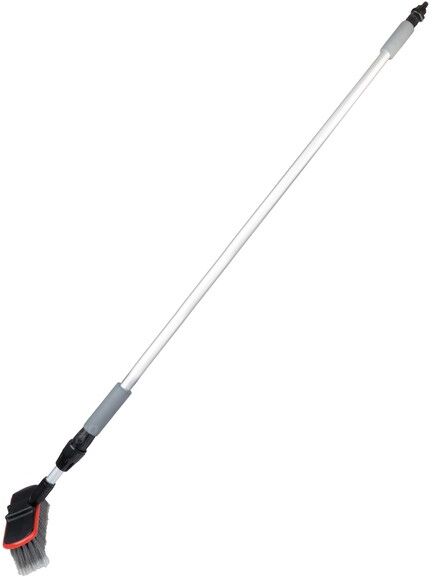
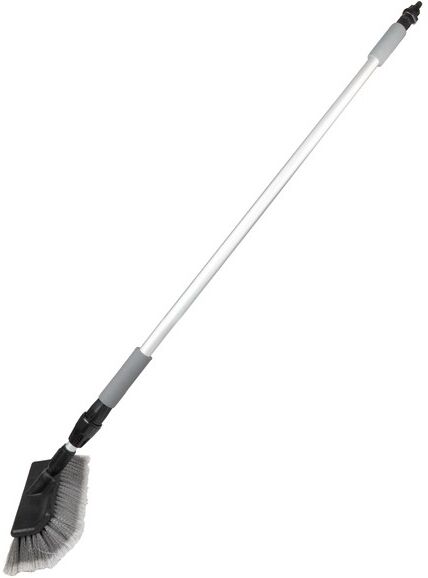
AMiO 01045 Washing brushLength from [mm]: 98; Length to [mm]: 168; Head Width [mm]: 70; Tool Head Length [mm]: 230; adjustable: adjustable; Foldable/Hinged: Foldable; Material: Aluminium; Vehicle Equipment Line/Trim Level: with water connector; Bristle Material: Plastic; Height: 60; Colour: silver, yellow; Features: telescopic, with hose connector8,59 £*Shipping: 8,45 £Secure redirect to the provider
-
How can I return the Otto washing machine after testing it once?
To return the Otto washing machine after testing it once, you should first check the return policy of the store or website where you purchased it. Most retailers have a specific return process that may involve contacting customer service, filling out a return form, and arranging for the item to be picked up or dropped off. Make sure to keep all the original packaging and documentation, as these may be required for the return. If you purchased the washing machine online, you may also need to print out a return label and ship it back to the retailer. **
-
What is the difference between load sensing and load detection in a washing machine?
Load sensing in a washing machine refers to the machine's ability to determine the size of the laundry load and adjust water levels and wash cycles accordingly. This feature helps in saving water and energy by avoiding unnecessary use of resources. On the other hand, load detection in a washing machine simply detects if there is any load present in the machine before starting the wash cycle, ensuring that the machine does not operate when empty. While load sensing optimizes the wash cycle based on the load size, load detection primarily prevents the machine from running without any laundry inside. **
-
What is the difference between load detection and automatic load adjustment in a washing machine?
Load detection in a washing machine involves the machine sensing the amount of laundry inside and adjusting the water and detergent accordingly. On the other hand, automatic load adjustment goes a step further by not only detecting the load size but also adjusting the cycle time, water level, and energy consumption to optimize the washing process for that specific load size. Essentially, load detection is about measuring the amount of laundry, while automatic load adjustment is about making necessary changes to the wash cycle based on that measurement. **
-
What is the difference between load size detection and load recognition in a washing machine?
Load size detection in a washing machine refers to the machine's ability to determine the amount of laundry in the drum, usually by measuring the weight or volume of the load. This information helps the machine adjust the water and detergent levels accordingly. On the other hand, load recognition goes a step further by identifying the type of fabric or material in the load, allowing the washing machine to select the appropriate wash cycle and settings for optimal cleaning. In essence, load size detection focuses on the quantity of laundry, while load recognition takes into account the specific characteristics of the load for more tailored washing. **
Similar search terms for Washing
-
Why is the washing machine not washing?
The washing machine may not be washing due to a variety of reasons. It could be a problem with the power supply, a malfunctioning motor, a clogged water inlet valve, a faulty door latch, or a problem with the control board. Additionally, issues with the water level sensor, the drive belt, or the agitator could also be causing the washing machine to not wash properly. It is important to troubleshoot and identify the specific issue in order to effectively address the problem and get the washing machine working again. **
-
Why doesn't the washing machine stop washing?
The washing machine may not stop washing due to a malfunctioning timer or control board. If the timer or control board is faulty, it may not be sending the signal to stop the washing cycle. Additionally, a problem with the water inlet valve or pressure switch could also cause the washing machine to continue washing. It is important to troubleshoot and address these issues promptly to prevent further damage to the washing machine. **
-
Which washing cycle in the washing machine is best for washing curtains yourself?
For washing curtains yourself, the gentle or delicate cycle is usually the best option in a washing machine. This cycle uses less agitation and lower spin speeds, which helps prevent damage to the fabric of the curtains. It is important to also use a mild detergent and cold water to further protect the curtains during the washing process. Additionally, it is recommended to hang the curtains to air dry instead of using a dryer to avoid shrinking or damaging the fabric. **
-
Is pre-washing sufficient for a washing machine?
Pre-washing is not sufficient for a washing machine as it is important to follow the manufacturer's instructions for proper cleaning and maintenance. Pre-washing may help to remove some dirt and grime, but a washing machine needs regular cleaning to prevent mold, mildew, and odors from building up. It is recommended to run a cleaning cycle with a washing machine cleaner or a mixture of vinegar and baking soda to ensure it is thoroughly cleaned. **
* All prices are inclusive of VAT and, if applicable, plus shipping costs. The offer information is based on the details provided by the respective shop and is updated through automated processes. Real-time updates do not occur, so deviations can occur in individual cases. ** Note: Parts of this content were created by AI.