Buy schnelltest.eu ?
We are moving the project
schnelltest.eu .
Are you interested in purchasing the domain
schnelltest.eu ?
domain@kv-gmbh.de · 0541-91531010
Buy schnelltest.eu ?
What is signal transduction?
Signal transduction is the process by which cells convert extracellular signals into specific cellular responses. It involves a series of molecular events that relay the signal from the cell surface to the nucleus, where gene expression can be altered. This process is crucial for cells to respond appropriately to their environment and maintain homeostasis. Signal transduction pathways often involve the activation of protein kinases, second messengers, and transcription factors. **
Why is sensory transduction necessary?
Sensory transduction is necessary because it allows the body to convert various forms of environmental stimuli, such as light, sound, touch, and chemical signals, into electrical signals that can be interpreted by the nervous system. This process is essential for the body to perceive and respond to its surroundings, allowing for the detection of potential dangers, the regulation of bodily functions, and the experience of sensations such as taste, smell, and touch. Without sensory transduction, the body would not be able to effectively interact with its environment and respond to changes in its surroundings. **


Similar search terms for Transduction
Top-Angebote
Products related to Transduction:
-
Snug & Styled Car Scanner Engine Diagnostic Tool Check Engine Light Code Reader For Quick Vehicle Fault Detection Car Scanner Engine Diagnostic Tool Check Engine Light Code Reader For Quick Vehicle Fault DetectionWhen your dashboard lights up with uncertainty, you need clarity fastnot guesswork. This advanced OBD2 car scanner is designed for drivers and car owners who want instant insight into their vehicles health without expensive workshop visits. Built...49,97 $*Shipping: 0,00 $Secure redirect to the provider
-
Uplifted Goods Car OBD2 Diagnostic Tool Bluetooth For Engine Testing And Code Reading 1pcTake control of your vehicle maintenance with this easy to use OBD2 diagnostic tool. Designed with a standard 16 pin interface and Bluetooth Five Point One connectivity, it allows you to read engine codes, clear warning lights and monitor real time...34,97 $*Shipping: 0,00 $Secure redirect to the provider
-
Snug & Styled Automotive ECU Induction Signal Tester Car Immobilizer Chip Detector Diagnostic Lock Detection Card Tool GreenWhen your vehicle refuses to start or shows unpredictable antitheft behavior, quick and accurate diagnostics can save both time and frustration. This tool acts as a reliable solution for identifying ECU and immobilizerrelated issues in modern...39,97 $*Shipping: 0,00 $Secure redirect to the provider
-
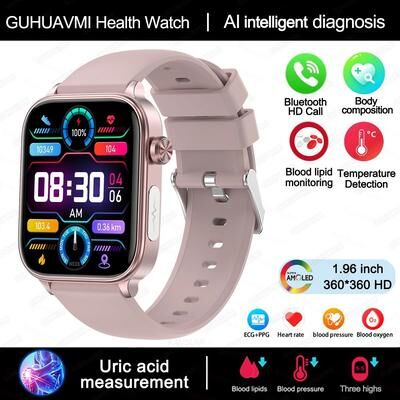
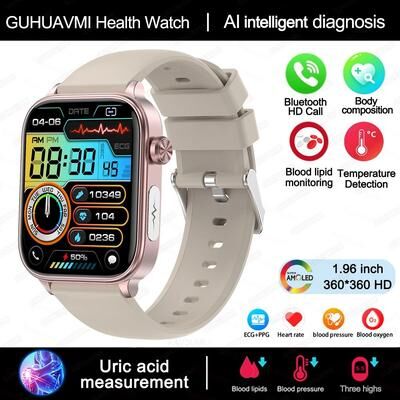
Uplift Essentials AI Health Diagnostic & Body Composition Smartwatch blackThe AI Health Diagnostic Smartwatch is a nextgeneration wearable that transforms your wrist into a personal health laboratory. Beyond standard fitness tracking, this device features the market's first intelligent microphysical examination function,...79,97 $*Shipping: 0,00 $Secure redirect to the provider


-
What is transduction in the eye?
Transduction in the eye refers to the process by which light energy is converted into electrical signals that can be interpreted by the brain. This process occurs in the retina, where specialized cells called photoreceptors (rods and cones) capture light and convert it into electrical signals. These signals are then transmitted to the brain via the optic nerve, where they are processed and interpreted as visual information. **
-
How does the process of signal transduction proceed?
Signal transduction is a process by which a cell converts an extracellular signal into a specific cellular response. It typically involves a series of steps, starting with the binding of a signaling molecule to a receptor on the cell surface. This binding triggers a cascade of events inside the cell, often involving the activation of various proteins and second messengers. Ultimately, this leads to changes in gene expression, cell metabolism, or other cellular functions to produce the desired response to the initial signal. **
-
How can one explain signal transduction and signal transmission?
Signal transduction is the process by which a cell converts an extracellular signal into a specific cellular response. This process typically involves a series of molecular events, including the binding of a signaling molecule to a receptor on the cell surface, activation of intracellular signaling pathways, and ultimately leading to changes in gene expression, metabolism, or other cellular functions. Signal transmission, on the other hand, refers to the propagation of the signal from one cell to another, often through the release of signaling molecules such as hormones or neurotransmitters. Together, signal transduction and signal transmission allow cells to communicate with each other and coordinate their activities in response to external stimuli. **
-
What is the photo transduction in the dark current during illumination?
Photo transduction in the dark current during illumination refers to the process by which light activates photoreceptor cells in the retina. When light hits the photoreceptor cells, it triggers a cascade of biochemical reactions that ultimately lead to the hyperpolarization of the cell membrane. This hyperpolarization reduces the release of neurotransmitters, which in turn sends signals to the brain for visual processing. Overall, photo transduction in the dark current during illumination is a crucial step in converting light stimuli into neural signals for vision. **
What is the photo transduction in the dark current during exposure?
Photo transduction in the dark current during exposure refers to the process by which light-sensitive photoreceptor cells in the retina convert light stimuli into electrical signals. In the dark, photoreceptor cells are depolarized and continuously release neurotransmitters, which keeps the cells in a state of constant activity. When light hits the photoreceptor cells, it triggers a series of biochemical reactions that hyperpolarize the cells, reducing neurotransmitter release and signaling the presence of light to the brain. This process allows for the perception of light and the formation of visual images. **
What is the photo transduction in the dark current upon exposure to light?
In the dark current, photoreceptors are depolarized due to the constant influx of sodium ions. Upon exposure to light, photons are absorbed by the photopigments in the photoreceptor cells, leading to a series of biochemical reactions that ultimately result in the closure of sodium channels. This closure of sodium channels hyperpolarizes the cell, reducing the release of neurotransmitters and signaling the presence of light to the brain. **
Top-Angebote
Products related to Transduction:
-
Inspired Deals Solar MPPT Meter 800W Solar Panel Tester With MC4 Diagnostic Testing Solar MPPT Meter 800W Solar Panel Tester With MC4 Diagnostic TestingGet clear answers about your solar panels performance without wasting time on complicated testing. The UNIT UT673PV is a portable solar power meter built for PV installers, technicians, manufacturers, and solar system owners who need fast, practical...99,97 $*Shipping: 0,00 $Secure redirect to the provider
-
Uplift Essentials AI Health Diagnostic & Body Composition Smartwatch blueThe AI Health Diagnostic Smartwatch is a nextgeneration wearable that transforms your wrist into a personal health laboratory. Beyond standard fitness tracking, this device features the market's first intelligent microphysical examination function,...79,97 $*Shipping: 0,00 $Secure redirect to the provider
-
Snug & Styled Car Scanner Engine Diagnostic Tool Check Engine Light Code Reader For Quick Vehicle Fault Detection Car Scanner Engine Diagnostic Tool Check Engine Light Code Reader For Quick Vehicle Fault DetectionWhen your dashboard lights up with uncertainty, you need clarity fastnot guesswork. This advanced OBD2 car scanner is designed for drivers and car owners who want instant insight into their vehicles health without expensive workshop visits. Built...49,97 $*Shipping: 0,00 $Secure redirect to the provider
-
Uplifted Goods Car OBD2 Diagnostic Tool Bluetooth For Engine Testing And Code Reading 1pcTake control of your vehicle maintenance with this easy to use OBD2 diagnostic tool. Designed with a standard 16 pin interface and Bluetooth Five Point One connectivity, it allows you to read engine codes, clear warning lights and monitor real time...34,97 $*Shipping: 0,00 $Secure redirect to the provider
-
What is signal transduction?
Signal transduction is the process by which cells convert extracellular signals into specific cellular responses. It involves a series of molecular events that relay the signal from the cell surface to the nucleus, where gene expression can be altered. This process is crucial for cells to respond appropriately to their environment and maintain homeostasis. Signal transduction pathways often involve the activation of protein kinases, second messengers, and transcription factors. **
-
Why is sensory transduction necessary?
Sensory transduction is necessary because it allows the body to convert various forms of environmental stimuli, such as light, sound, touch, and chemical signals, into electrical signals that can be interpreted by the nervous system. This process is essential for the body to perceive and respond to its surroundings, allowing for the detection of potential dangers, the regulation of bodily functions, and the experience of sensations such as taste, smell, and touch. Without sensory transduction, the body would not be able to effectively interact with its environment and respond to changes in its surroundings. **
-
What is transduction in the eye?
Transduction in the eye refers to the process by which light energy is converted into electrical signals that can be interpreted by the brain. This process occurs in the retina, where specialized cells called photoreceptors (rods and cones) capture light and convert it into electrical signals. These signals are then transmitted to the brain via the optic nerve, where they are processed and interpreted as visual information. **
-
How does the process of signal transduction proceed?
Signal transduction is a process by which a cell converts an extracellular signal into a specific cellular response. It typically involves a series of steps, starting with the binding of a signaling molecule to a receptor on the cell surface. This binding triggers a cascade of events inside the cell, often involving the activation of various proteins and second messengers. Ultimately, this leads to changes in gene expression, cell metabolism, or other cellular functions to produce the desired response to the initial signal. **
Similar search terms for Transduction
-
Snug & Styled Automotive ECU Induction Signal Tester Car Immobilizer Chip Detector Diagnostic Lock Detection Card Tool GreenWhen your vehicle refuses to start or shows unpredictable antitheft behavior, quick and accurate diagnostics can save both time and frustration. This tool acts as a reliable solution for identifying ECU and immobilizerrelated issues in modern...39,97 $*Shipping: 0,00 $Secure redirect to the provider
-
Uplift Essentials AI Health Diagnostic & Body Composition Smartwatch blackThe AI Health Diagnostic Smartwatch is a nextgeneration wearable that transforms your wrist into a personal health laboratory. Beyond standard fitness tracking, this device features the market's first intelligent microphysical examination function,...79,97 $*Shipping: 0,00 $Secure redirect to the provider
-
Uplift Essentials AI Health Diagnostic & Body Composition Smartwatch pinkThe AI Health Diagnostic Smartwatch is a nextgeneration wearable that transforms your wrist into a personal health laboratory. Beyond standard fitness tracking, this device features the market's first intelligent microphysical examination function,...79,97 $*Shipping: 0,00 $Secure redirect to the provider
-
Uplift Essentials AI Health Diagnostic & Body Composition Smartwatch greyThe AI Health Diagnostic Smartwatch is a nextgeneration wearable that transforms your wrist into a personal health laboratory. Beyond standard fitness tracking, this device features the market's first intelligent microphysical examination function,...79,97 $*Shipping: 0,00 $Secure redirect to the provider
-
How can one explain signal transduction and signal transmission?
Signal transduction is the process by which a cell converts an extracellular signal into a specific cellular response. This process typically involves a series of molecular events, including the binding of a signaling molecule to a receptor on the cell surface, activation of intracellular signaling pathways, and ultimately leading to changes in gene expression, metabolism, or other cellular functions. Signal transmission, on the other hand, refers to the propagation of the signal from one cell to another, often through the release of signaling molecules such as hormones or neurotransmitters. Together, signal transduction and signal transmission allow cells to communicate with each other and coordinate their activities in response to external stimuli. **
-
What is the photo transduction in the dark current during illumination?
Photo transduction in the dark current during illumination refers to the process by which light activates photoreceptor cells in the retina. When light hits the photoreceptor cells, it triggers a cascade of biochemical reactions that ultimately lead to the hyperpolarization of the cell membrane. This hyperpolarization reduces the release of neurotransmitters, which in turn sends signals to the brain for visual processing. Overall, photo transduction in the dark current during illumination is a crucial step in converting light stimuli into neural signals for vision. **
-
What is the photo transduction in the dark current during exposure?
Photo transduction in the dark current during exposure refers to the process by which light-sensitive photoreceptor cells in the retina convert light stimuli into electrical signals. In the dark, photoreceptor cells are depolarized and continuously release neurotransmitters, which keeps the cells in a state of constant activity. When light hits the photoreceptor cells, it triggers a series of biochemical reactions that hyperpolarize the cells, reducing neurotransmitter release and signaling the presence of light to the brain. This process allows for the perception of light and the formation of visual images. **
-
What is the photo transduction in the dark current upon exposure to light?
In the dark current, photoreceptors are depolarized due to the constant influx of sodium ions. Upon exposure to light, photons are absorbed by the photopigments in the photoreceptor cells, leading to a series of biochemical reactions that ultimately result in the closure of sodium channels. This closure of sodium channels hyperpolarizes the cell, reducing the release of neurotransmitters and signaling the presence of light to the brain. **
* All prices are inclusive of VAT and, if applicable, plus shipping costs. The offer information is based on the details provided by the respective shop and is updated through automated processes. Real-time updates do not occur, so deviations can occur in individual cases. ** Note: Parts of this content were created by AI.